By: Samie
Travel Dates: July 12th-19th, 2018
Alabama
(Birmingham)
Our Day 7 of our South East Road Trip ended up being the last sight seeing day of our trip. We got to spend it wandering around the part of Birmingham dedicated to the Civil Rights events that took place around Kelly Ingram Park, specifically during the first week in May of 1963.
The area gained recognition from the Birmingham police and firefighters attacked civil rights demonstrators, many of whom were children, in the streets bordering this park. The violence that took place caught the attention of the nation and led to a public outcry across the country that ultimately led to increasing the pace for integrating America’s most segregated city.
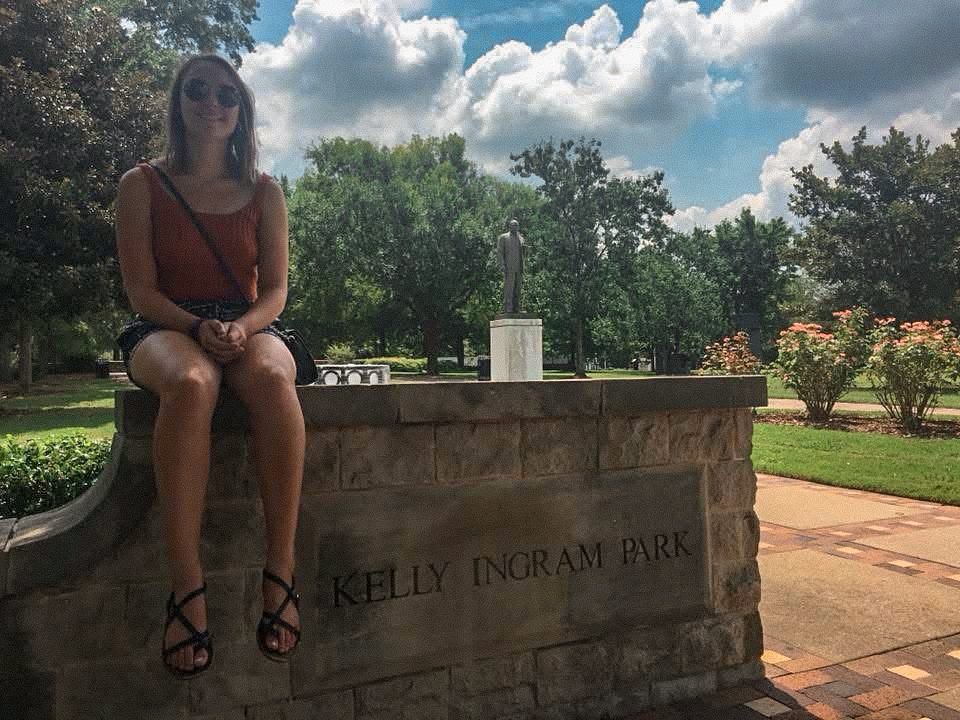
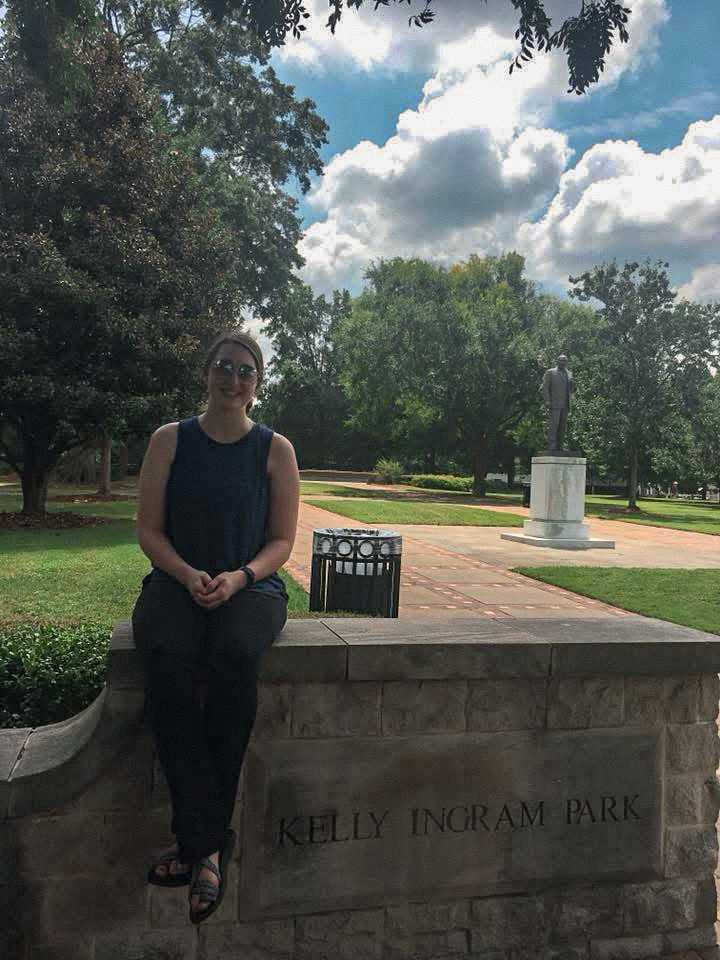
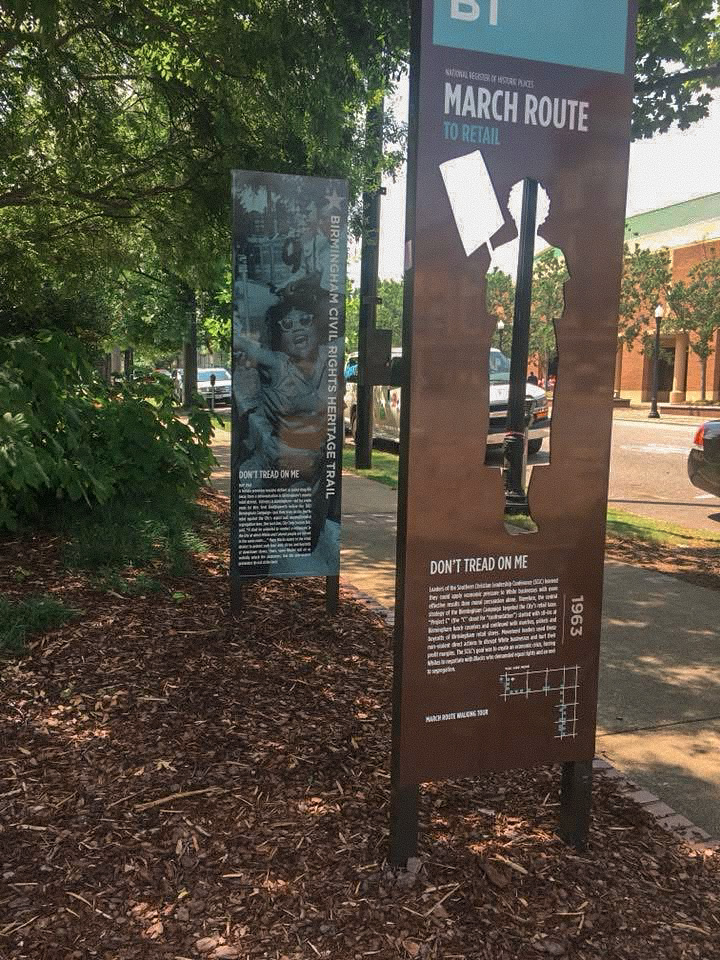
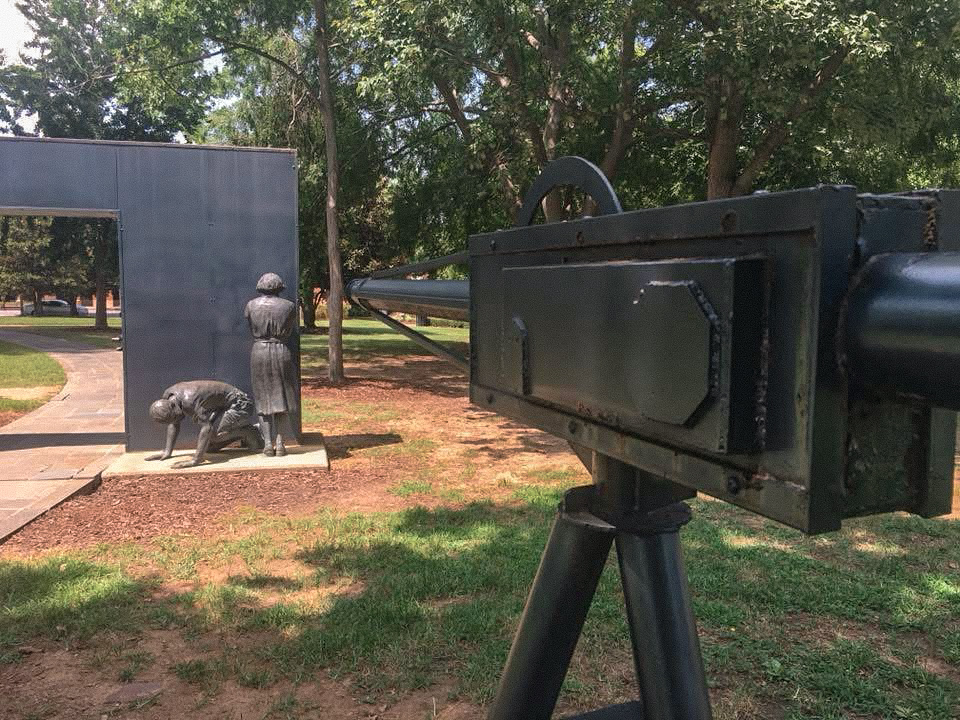
We walked through Kelly Ingram Park. There were numbered sculptures that, if walked through in order, gave the timeline of the events during the brutal attacks on the civil rights activists in 1963. Each sculpture was accompanied by a sign that described its significance. There was also a number you could call that provided an audio tour for you as you walked through.
According to the U.S. National Park Service, Birmingham was selected by the Southern Christian Leadership Conference (SCLC) for a massive protest campaign. Kelly Ingram Park, which is historically known as West Park, was an assembly point for participants in the SCLC’s campaign. They called it Project “C” with the c standing for confrontation. The project intended to utilize nonviolent but intentionally confrontational tactics, including sit-ins, boycotts, marches in order to provoke mass arrests and “create a situation so crisis-packed that it will inevitably open the door to negotiation.” The ultimate outcome would of course be ending racial segregation and economic injustice in Birmingham.
The SCLC President directing the groups’ plans and strategies was none other than Martin Luther King Jr.. Initially in the campaign, department stores were targeted for boycotts and Dr. King organized protest marches. Dr. King was arrested in these early stages of the campaign and held in solitary confinement for three days, during which he wrote his “Letter from Birmingham Jail”. This letter is an extremely moving justification for the moral necessity of non-violent resistance to unjust laws and has been described as “one of the most important historical documents penned by a modern political prisoner”.
However, the campaign’s early volunteers and arrests failed in shutting down the city or drawing media attention to the police’s actions. The SCLC decided to recruit children and young adults to join the demonstrations and protests. On May 2nd, under orders from Public Safety Commissioner Eugene “Bull” Connor, the Birmingham Police Department arrested 600 child picketers and protesters, with some being as young as only six years of age. By the next day, 1,000 children had been jailed.

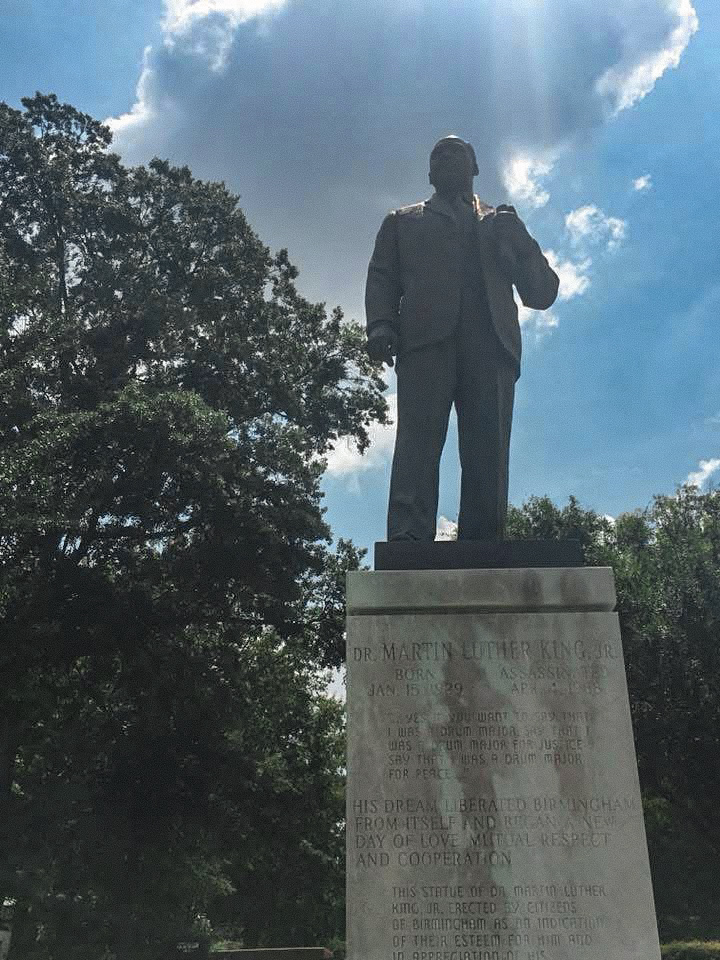
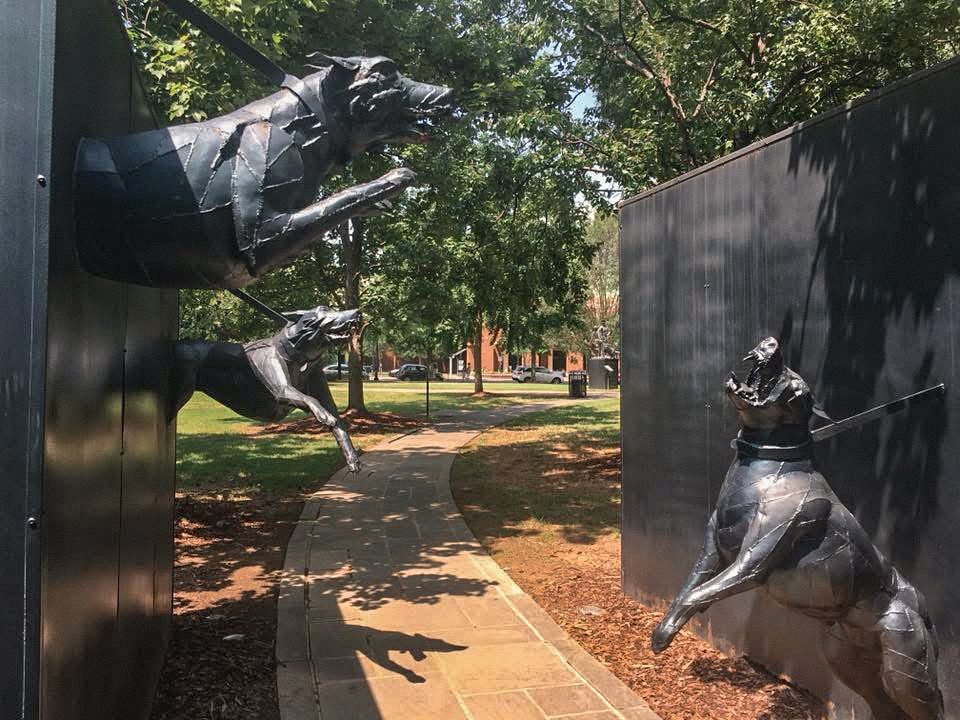
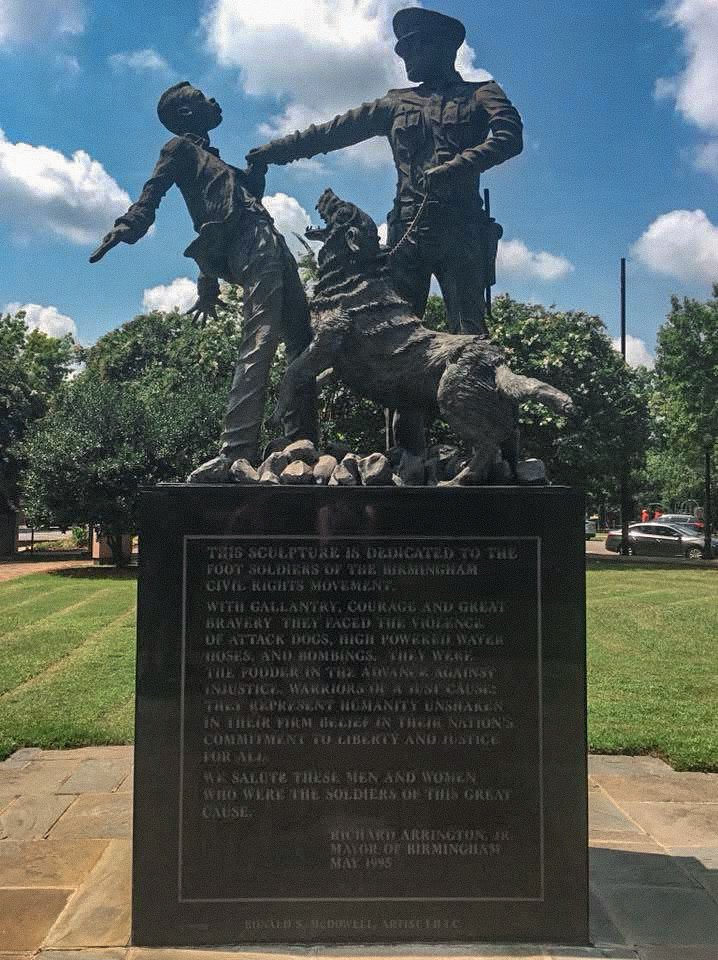
In the days that followed, firemen blasted the protestors, including children, with high-pressure fire hoses, and police used their nightsticks indiscriminately. Police K-9 units loosed their dogs into crowds of peaceful demonstrators, pinning down one woman and severely wounding three teenagers. One young bystander was whirled around by a policeman into the jaws of his German Shepherd. An Associate Press photographer standing nearby captured the incident, which quickly became the symbol of the unrest in Birmingham. We saw the statue that depicted and represented this incident on our walk through the park.
Footage of the police response was broadcast on national television, shocking many white Americans and consolidating black Americans behind the movement. Fearful of a race riot and worried about lost business, local businesses made a “pact” with the SCLC, but Alabama’s governor at the time, George Corley Wallace Jr. (yes, you can absolutely judge this man based on his name because his actions and beliefs definitely supported it), denied any settlement and Bull Connor urged whites to boycott the stores involved. To prevent any violence that would undermine the agreement, President Kennedy ordered 3,000 Army troops to the outskirts of the city. Ultimately, the campaign was a success. Bull Connor lost his job, the “Jim Crow” signs came down, and public spaces became more open to blacks.
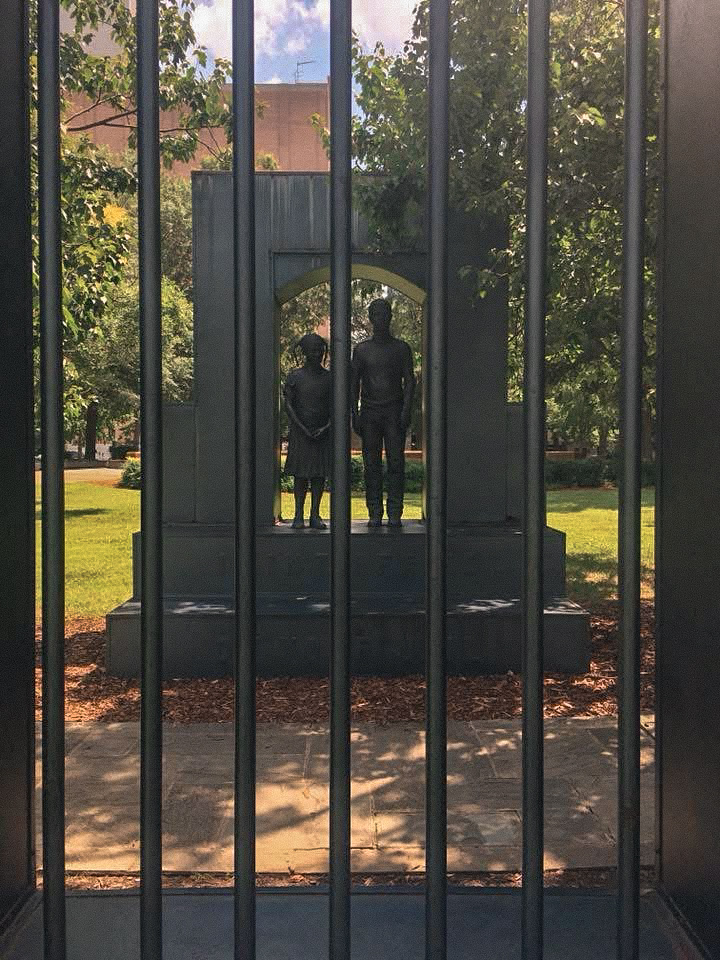
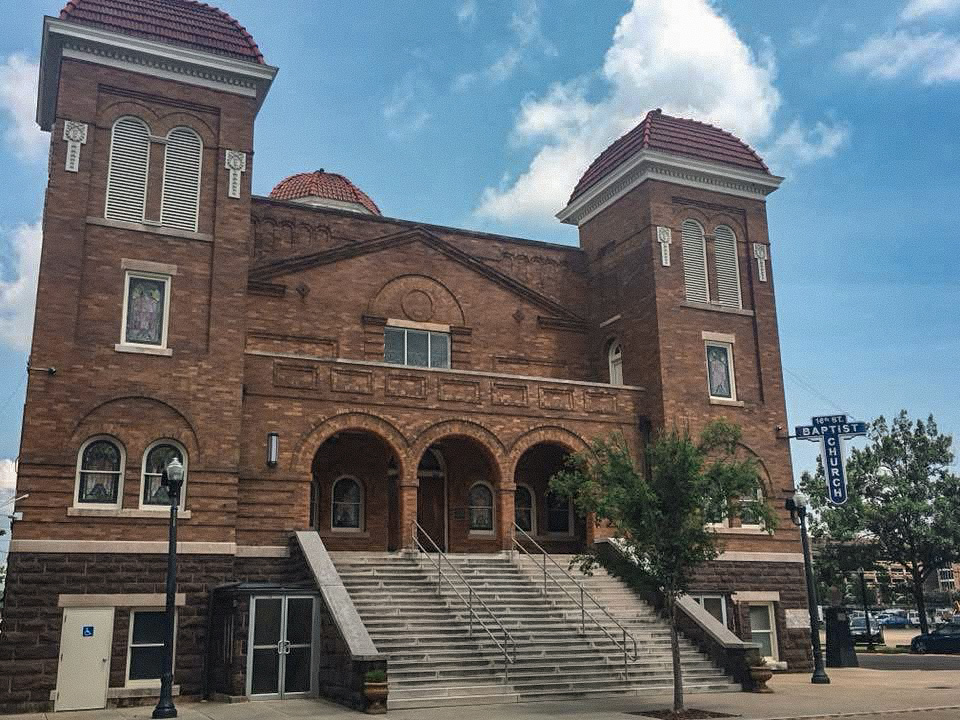
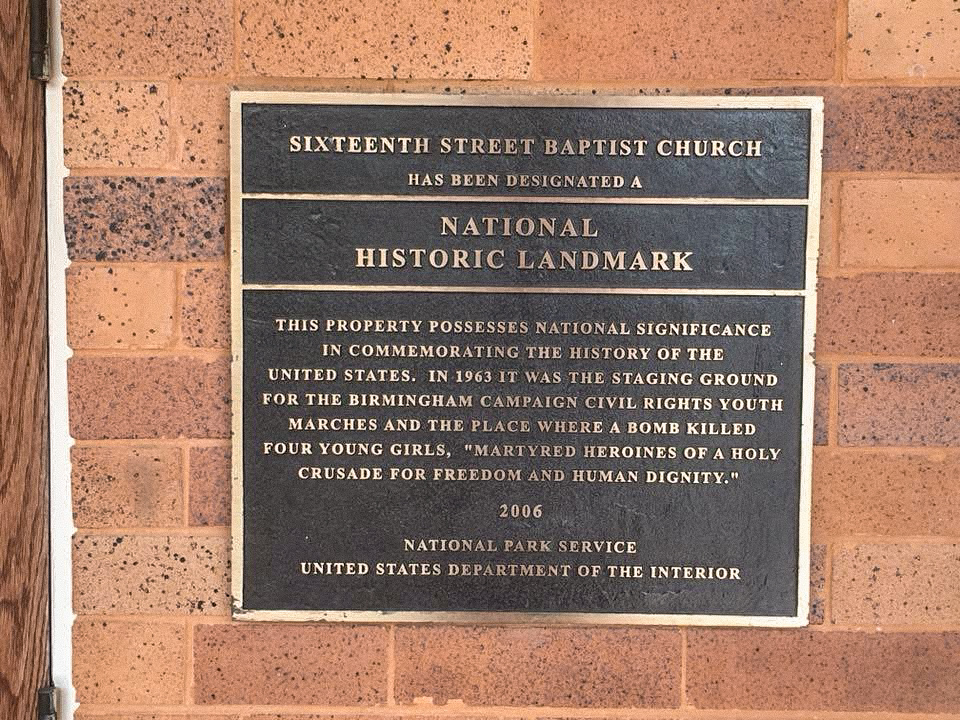
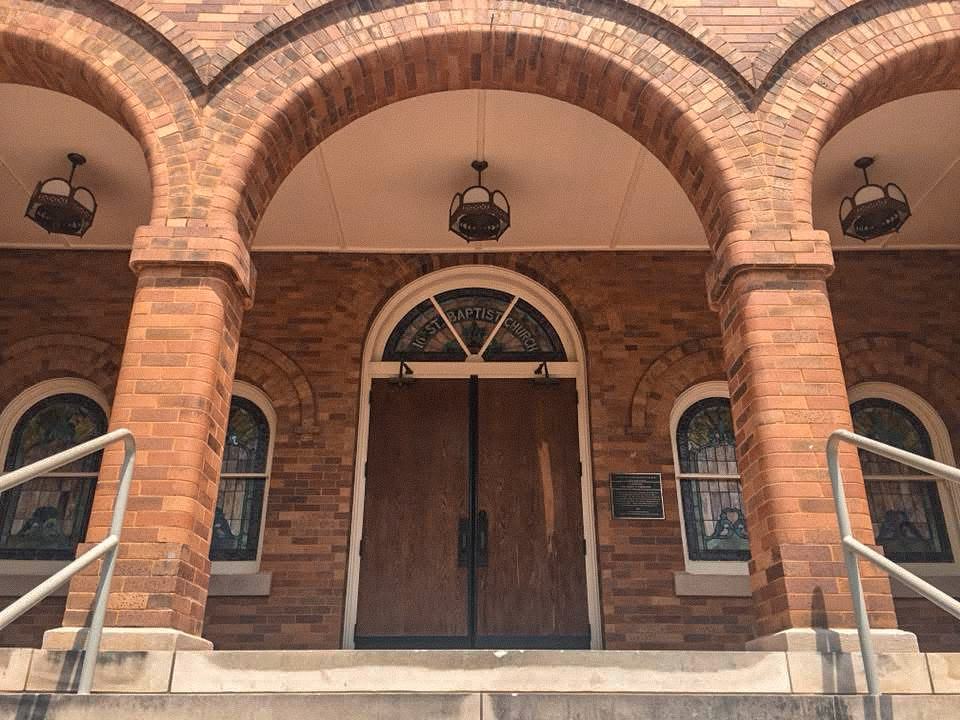
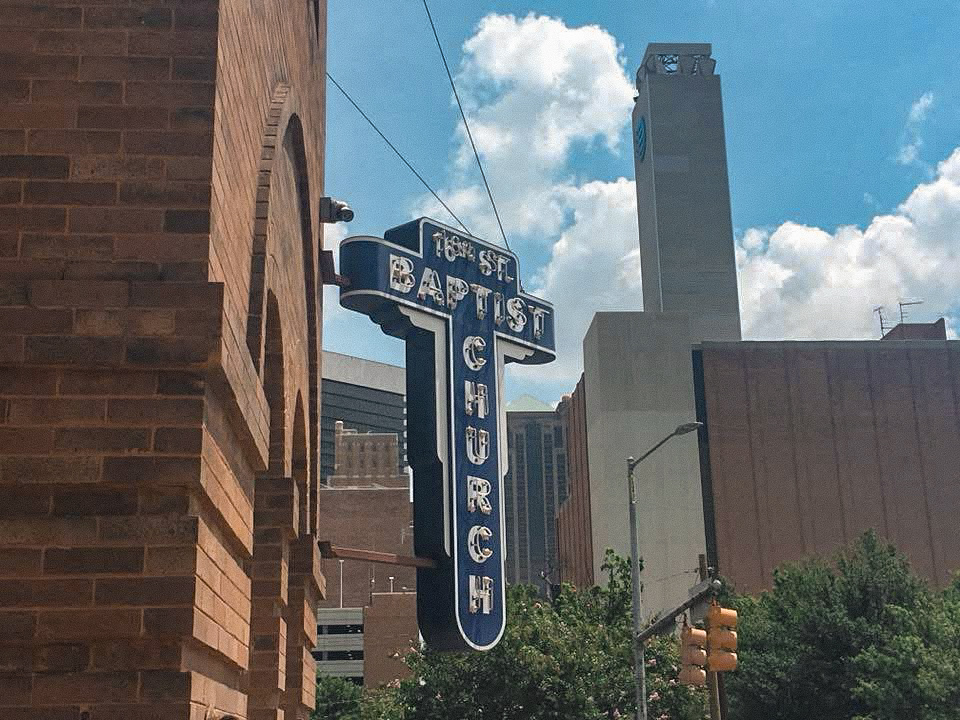
We also got to see the 16th Street Baptist Church. The last sculpture in the Civil Rights Movement walk commemorates the 4 girls that were killed in a bombing at this location on September 15th, 1963.
During the Civil Rights Movement, the church served as a meeting place for the organization of marches and other civil rights activities. Influential ministers and SCLC leaders Fred Shuttlesworth, Martin Luther King Jr., and James Bevel, were frequent speakers at the church.
On Sunday, September 15th, 1963, three members of the Klu Klux Klan planted 19 sticks of dynamite outside the basement of the church, and at 10:22 am, they exploded, killing 4 young girls – Addie Mae Collin’s, Carole Robertson, Cynthia Wesley, and Denise McNair. 22 other victims also suffered injuries. A funeral for three of the four girls was attended by more than 8,000 mourners, both black and white, but not a single city official was in attendance.
If you want to learn a little bit more, there is a gorgeous but devastating documentary streaming on Hulu called 4 Little Girls. It is a documentary by renowned director Spike Lee about bombing and the 4 sweet and young girls whose lives were tragically lost.

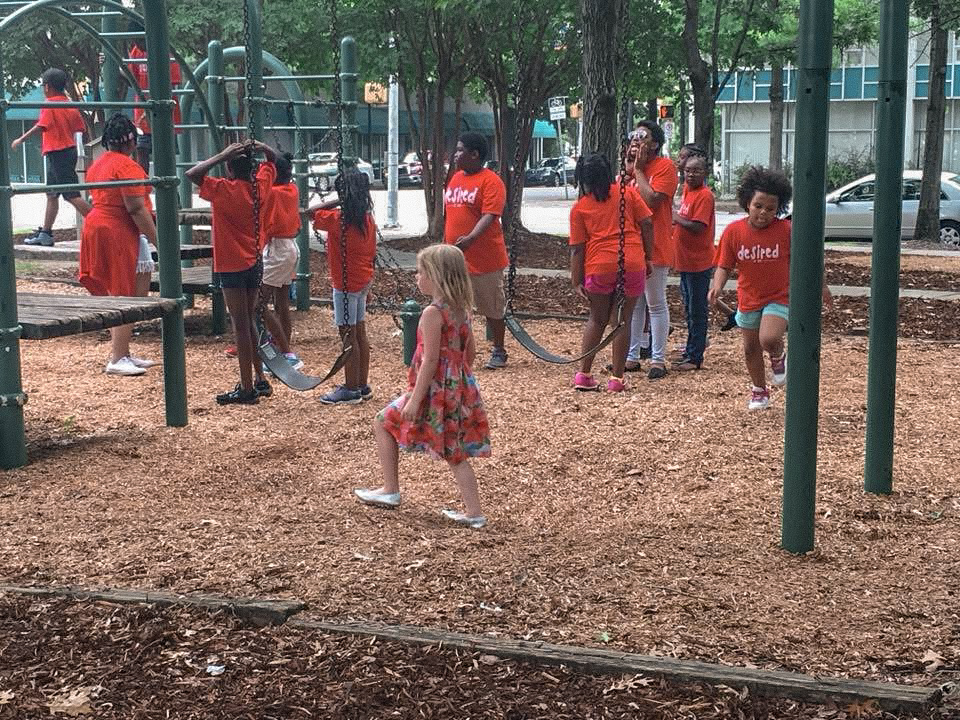
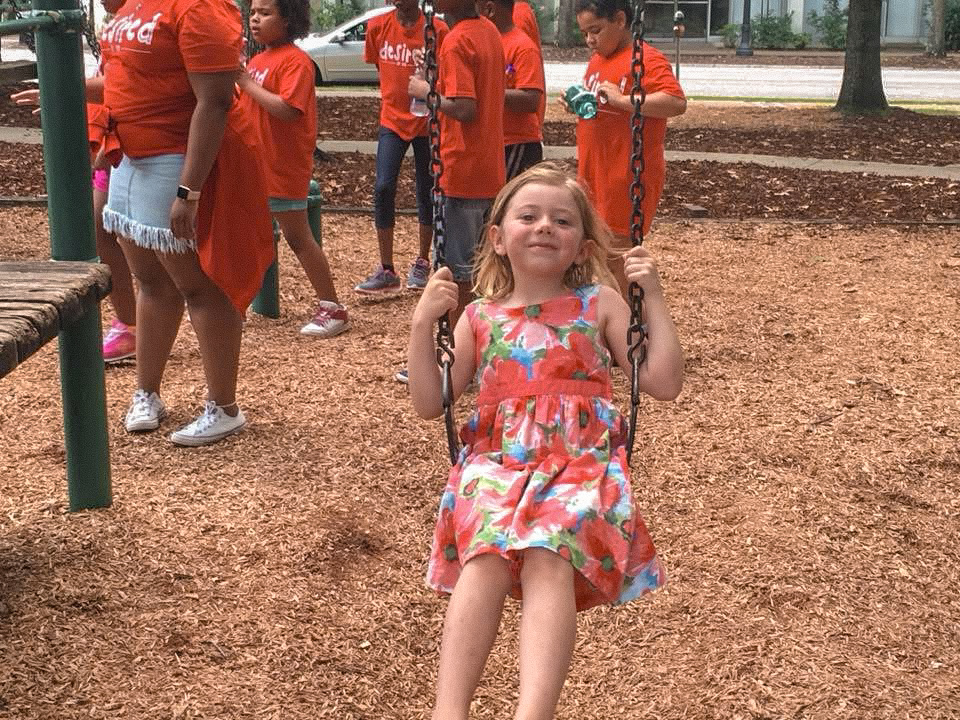
There was also a playground in the park. Some sort of school group or summer club visited while we were there, and Rebekah made some friends before enjoying some swinging time.
Because of a little emergency, we ended up having to cut the trip a few days short. We had to drive straight from Birmingham to Watertown. It is an 18 hour drive, and we started things off a bit rough with a nail in our tire that took an hour to patch.
However, when we were finally able to get back on the road, we were ready to make the trek home and even managed to pass through and visit a few little fun stops within a couple different states along the way.
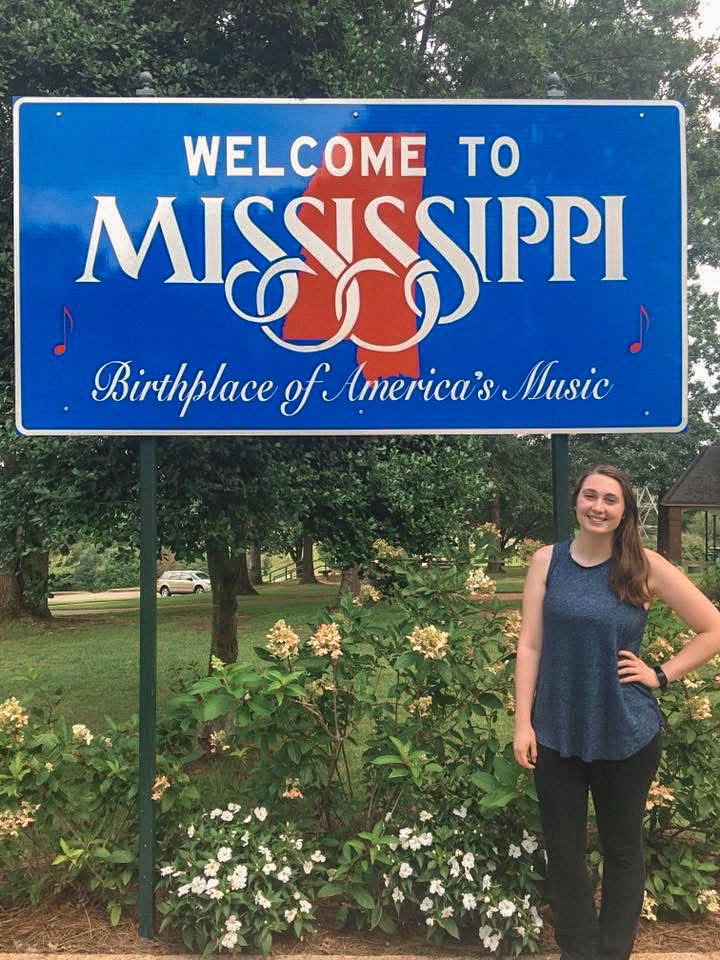
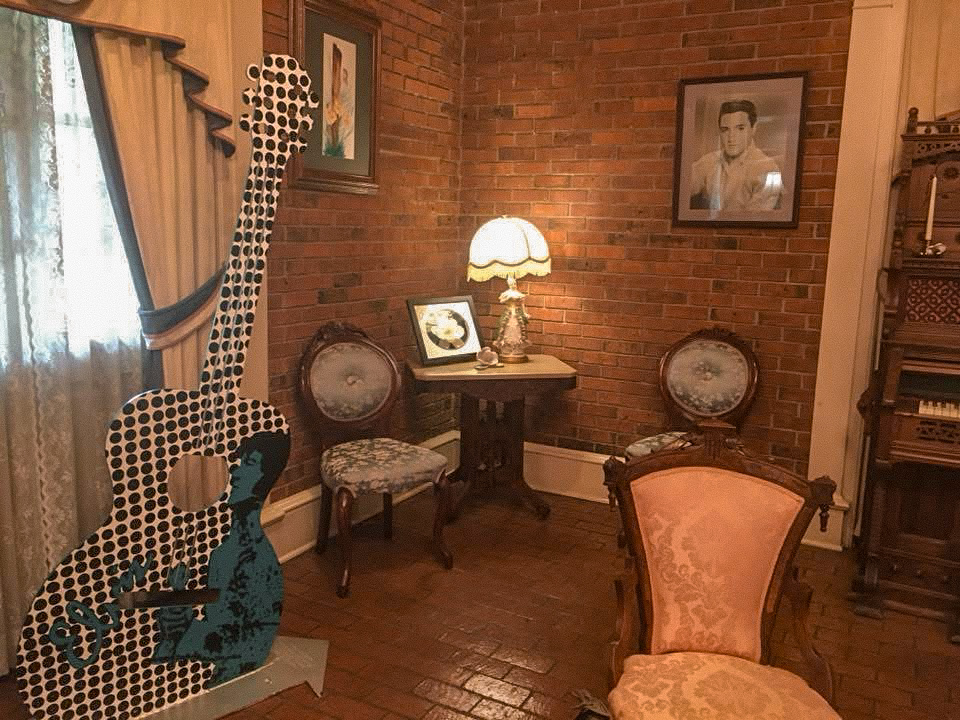
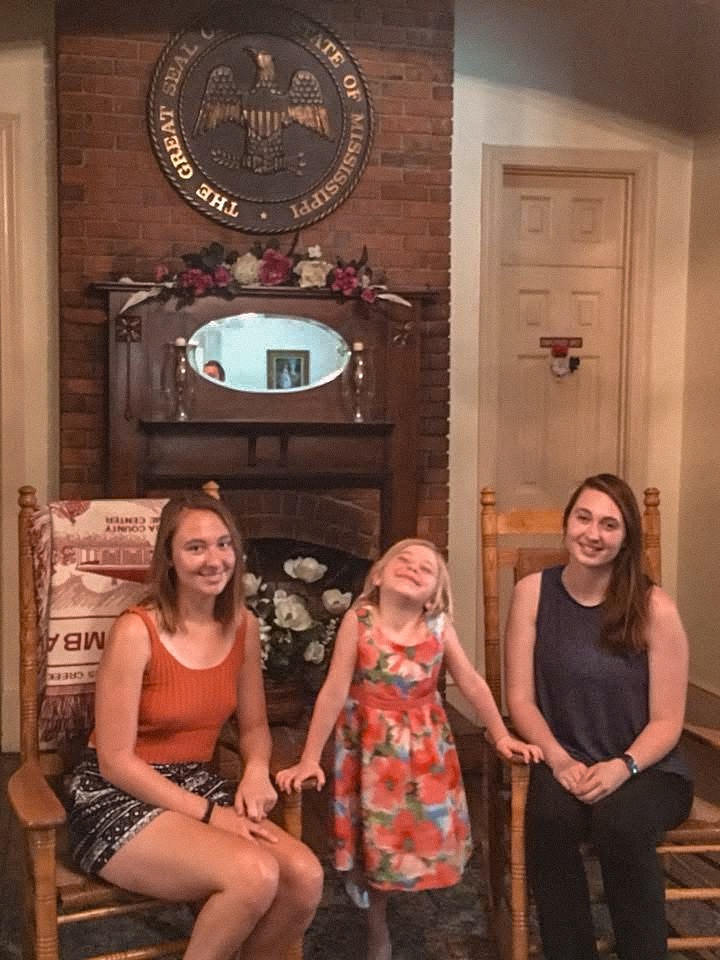
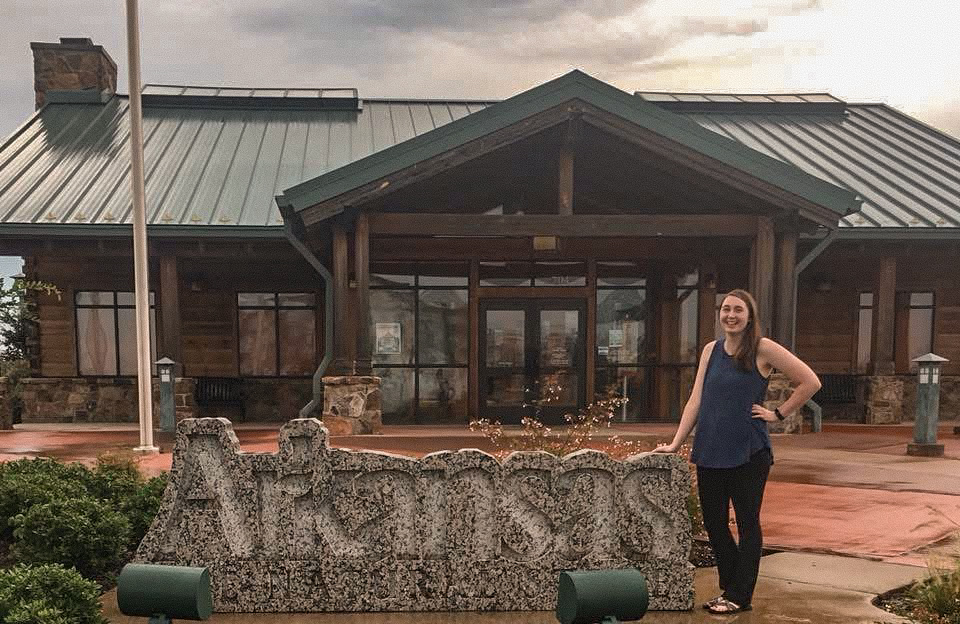
One such stop included a rest stop in Mississippi. It was all out decorated in a classic southern theme and was very fun and adorable! We also got a picture in front of a Mississippi sign to add to our collection. We stopped at another rest stop in Arkansas that had a nice stone carvings of the state’s name for a photo op.
It was a long drive back home. I took a driving shift from 10pm to 1am. I couldn’t keep my eyes open toward the end of my shift, but, thankfully, Alyssa was used to staying up late and was awake in the passenger sheet during my drive, so I was able to ask her to take over. She drove from about 1am to 4am while I snuck in a quick nap and then got some coffee when we stopped at the next gas station. Then I was driving again.
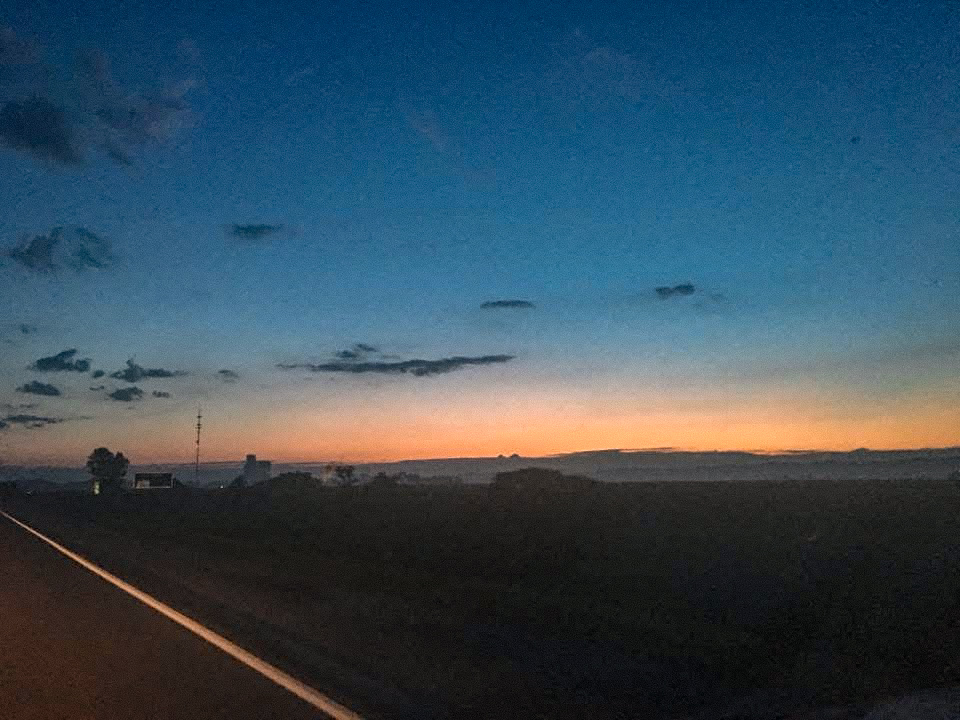
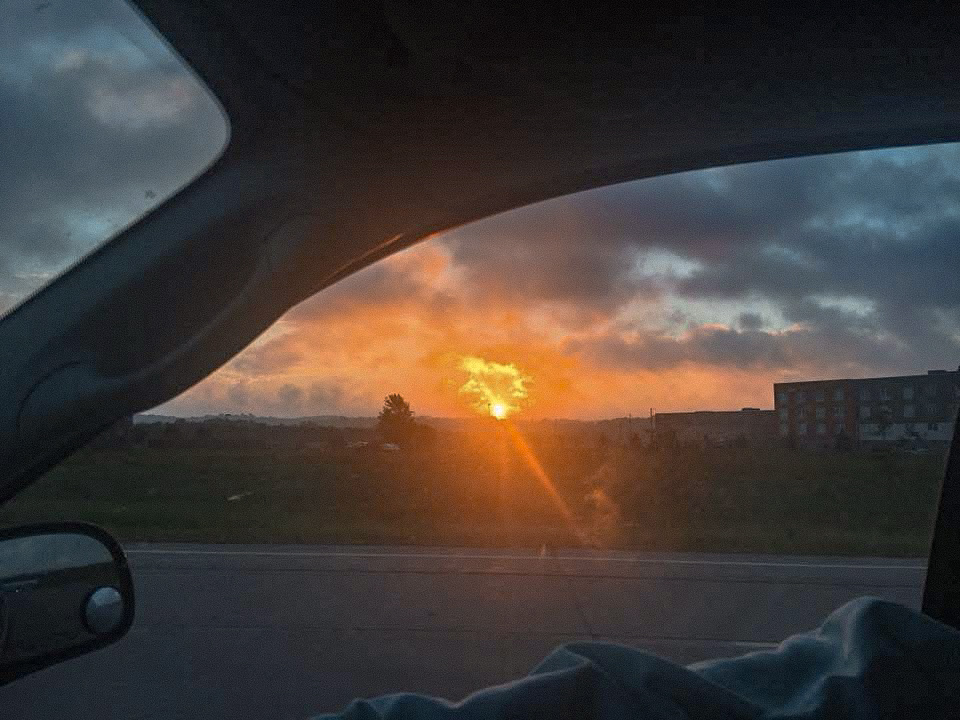
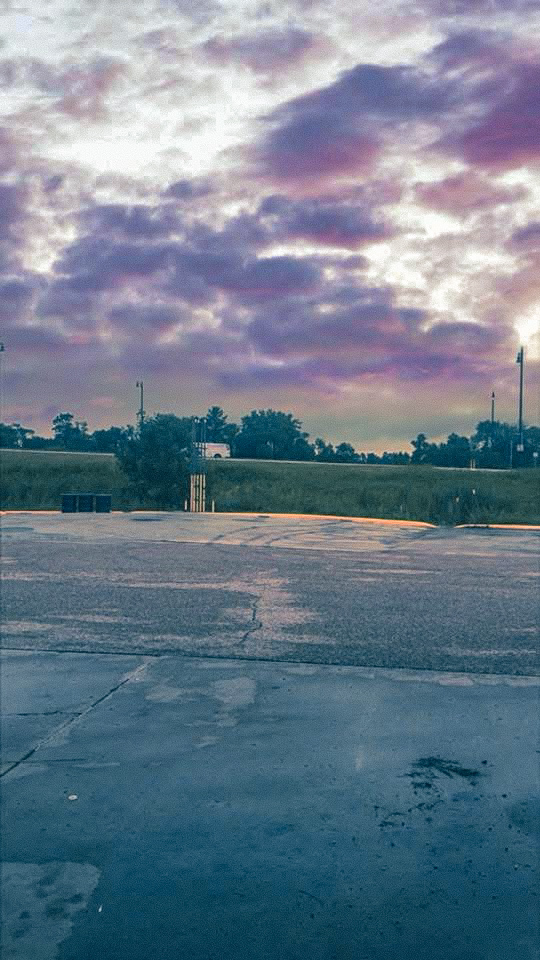
Little did I know, I would end up loving having the morning to myself and decided to take the remainder of the driving. I drove from 4am to 9am, when we finally reached Watertown. Everyone else had fallen fast asleep, and I was completely alone from about 4:30-8:00. It was peaceful, and I was surprised by how much I enjoyed it, as I am not usually much of a morning person. I was even able to snap a few pictures of the stunning sunrise!
However, my journey wasn’t over when I got to Watertown because I still had another hour and a half drive from Watertown to Aberdeen. The tiredness and fatigue was starting to sink in, but I managed to make it safely home. I had barely brought my bags inside my house before falling into a deep, well-needed sleep.
 Bergjord Boarding
Leave a comment