By: Luke
Can an instrument influence a nation, or is the nation influencing the instrument?
I have been learning a lot of early American music through my masters classes and thought it would be interesting to dip into the history of places we have traveled. Specifically the history of music and how it could have shaped daily life or culture on a larger scale. The term for this is “Ethnomusicology”.
An easy comparison would be between Latin music vs Scandinavian music. Latin music centers around different dances with syncopated beats that push energy and radiate life. Scandinavian music comes from a much colder climate. Think of the dwarves singing in any Lord of the Rings movie. They sing of hardships and unrequited love. A rough comparison to be sure, but you can see how their environment shaped how people in those places would relax at the end of the day.
Icelandic instruments were a product of what was available to be made by hand. This island is obviously very secluded and wouldn’t have regular trade routes. They had to get creative if they were going to accompany their folk music.
Kantele – This stringed instrument is made out of a hollowed out piece of wood. The whole make a resonating chamber to help amplify sound. The strings would have been made of horse hair.
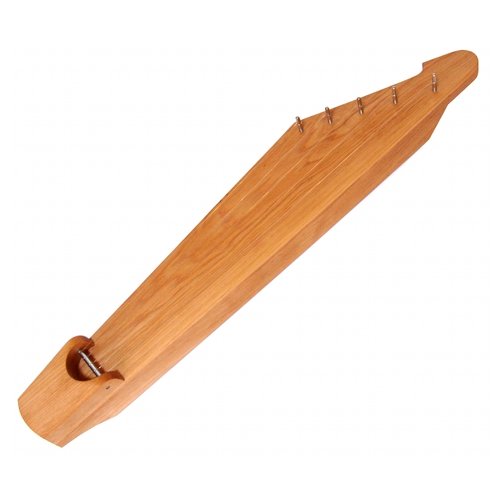
Early versions of the kantele were plucked with one or both hands. As time went on they began to add more strings and build bigger instruments to allow more complex melody. On the bigger versions there is a strumming technique as the chording hand mutes unwanted notes.

Fiðla – As with the kantele, this is also built out of a simple box to resonate and amplify the notes. However this introduces a bow made of horse hair. This instrument was played on your lap or on a table. This did not have a fret board to press the stings down on so different technique is required. You bow while fingering or pinching with your other hand.
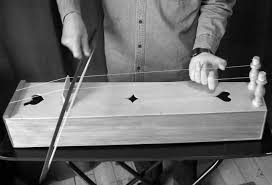
Langspil – Similar to the Fiðla, this is also bowed. We see an evolution to having a fret board to easily find notes. It also has tuning pegs we are more familiar seeing. This instrument is also played on your lap or on a table. While we get a fret board, it is only under one of the four strings. Three of the strings are drone notes as the fourth will have melody. This would also typically be tuned diatonically, or to one key. Like if you took away all the black keys on a piano.
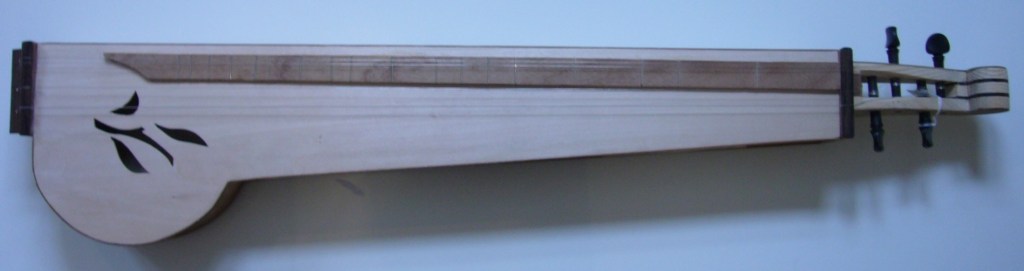
Vikings first colonized Iceland in 874, but the earliest records of these instruments only go back to the 18th century when French travelers wrote about them. It is believed they have a longer history than that.
How would a place as Iceland develop such instruments. It is called the land of fire and ice for its volcanoes and glaciers. Mother nature doesn’t hold back when it comes to the weather on the lonely island. Vikings brought their Gods with them when making the sailing journey. Did they sing of merciful or vengeful Gods? Much more recent Icelandic folk music text still focuses on love, nature, and mythology.
A fun fact is that most Icelanders believe in elves. Not the tall pointy ear ones from fantasy books, but very small creatures. They blame them for misplacing their car keys or any small mischievous act. After travelling there I understand how they could think that. The landscape was so unique and filled with mystery. I can imagine tiny creatures hiding behind any rock.

The relationship between a place and its musical instruments is a constant cycle. Iceland’s unique landscape, isolation, and cultural traditions led to the creation of instruments that reflect necessity and artistry. These instruments influenced how emotions were shared and stories were told. Music is more than just sound. It is a reflection of the people that make it. This reflection shows history, mystery, and resilience.
 Bergjord Boarding
Leave a comment